Mobile connectivity has come a long way from the days of large plastic SIM cards. Today, many smartphones and business devices are moving toward eSIM technology, raising an important question: should you stick with a physical SIM or switch to eSIM?
If you are new to the topic or deciding what works best for your work and daily life, this guide explains everything in simple terms. By the end, you will understand how each option works and which one fits your needs.
What Is a Physical SIM
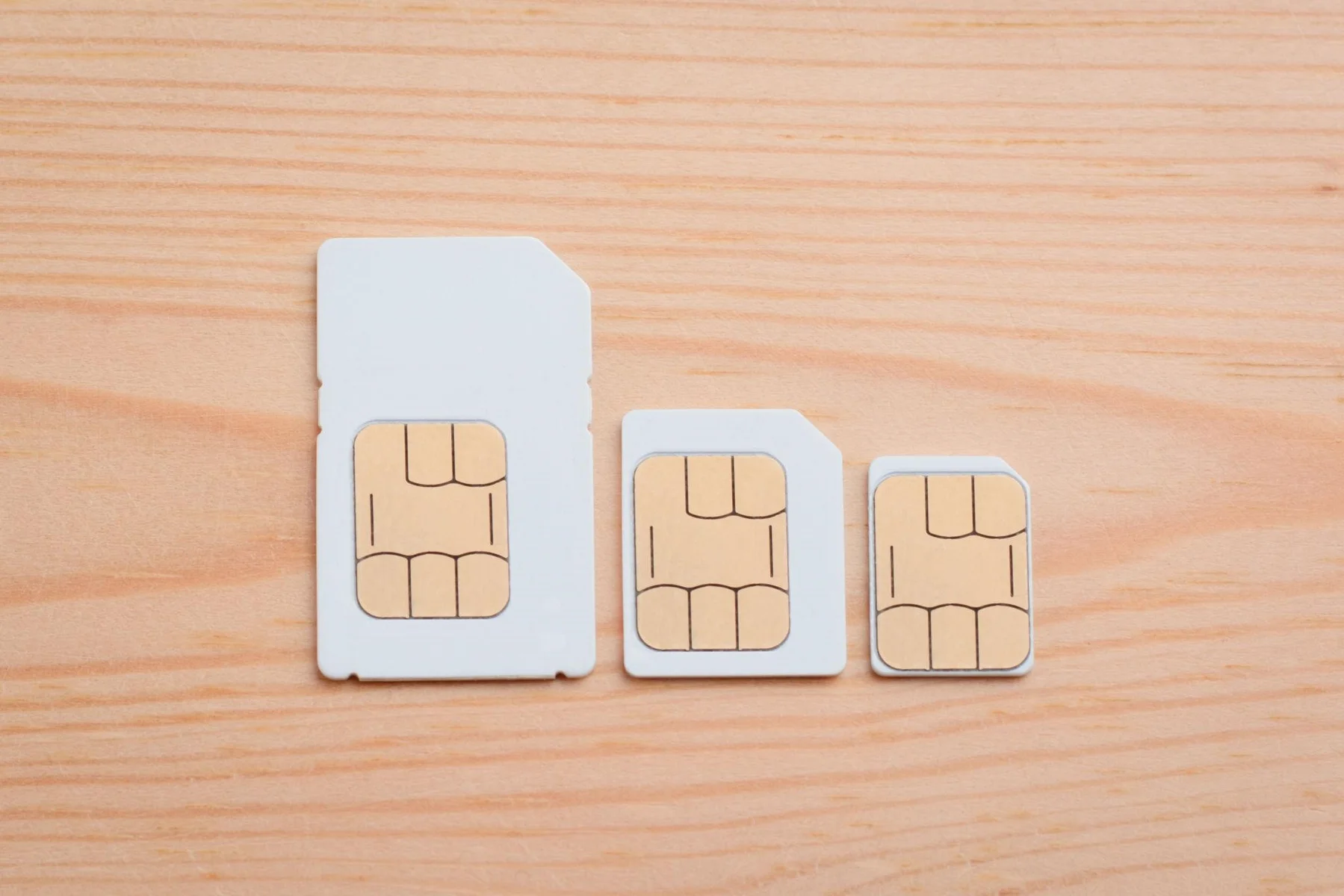
A physical SIM is the small plastic card you insert into your phone. It stores your subscriber information and connects your device to your mobile network. There are three main sizes, although most modern phones use the smallest version called a nano SIM. How it works When you insert a SIM card into your phone, it communicates with your carrier to give you access to calls, messages, and mobile data. Why people still use it Physical SIM cards are widely supported and easy to transfer between devices. If you change phones, you simply move the card.
What is an eSim?
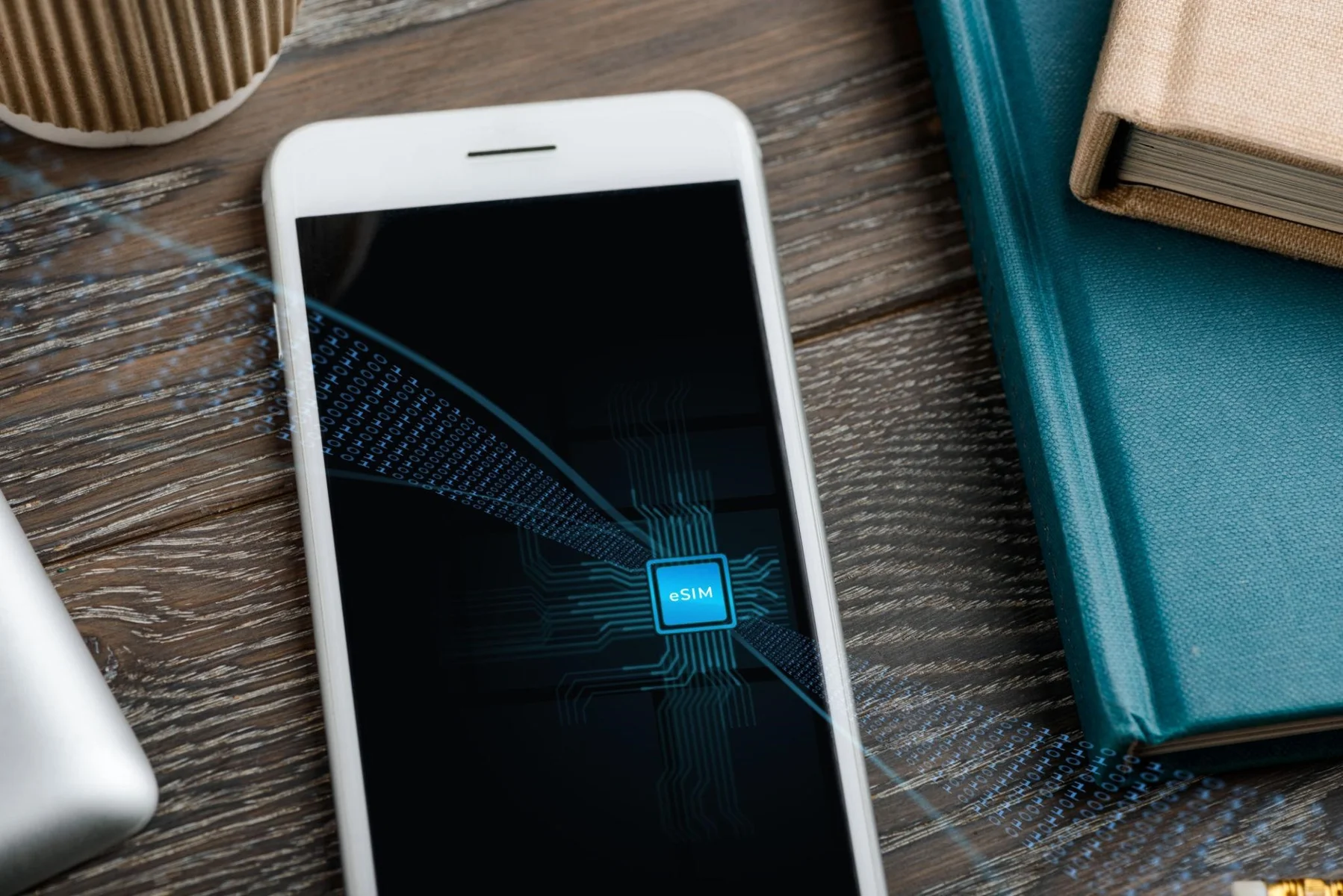
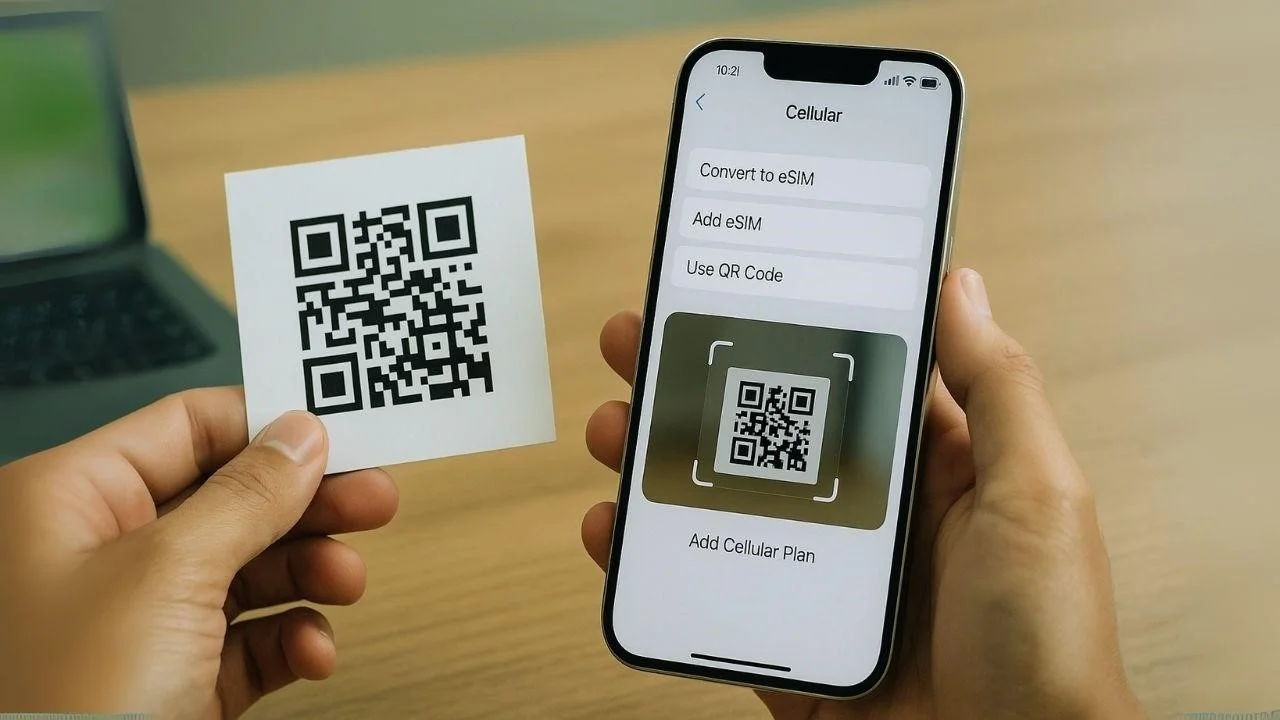
An eSIM is a digital SIM that is built directly into your device. Instead of inserting a card, you activate it through software, often by scanning a QR code from your carrier.
How it works
The eSIM is embedded in your phone’s hardware. Your carrier sends you a digital profile that gets installed on your device.
Why it is growing
Many newer smartphones and business devices now support eSIM because it saves space and allows more flexibility.
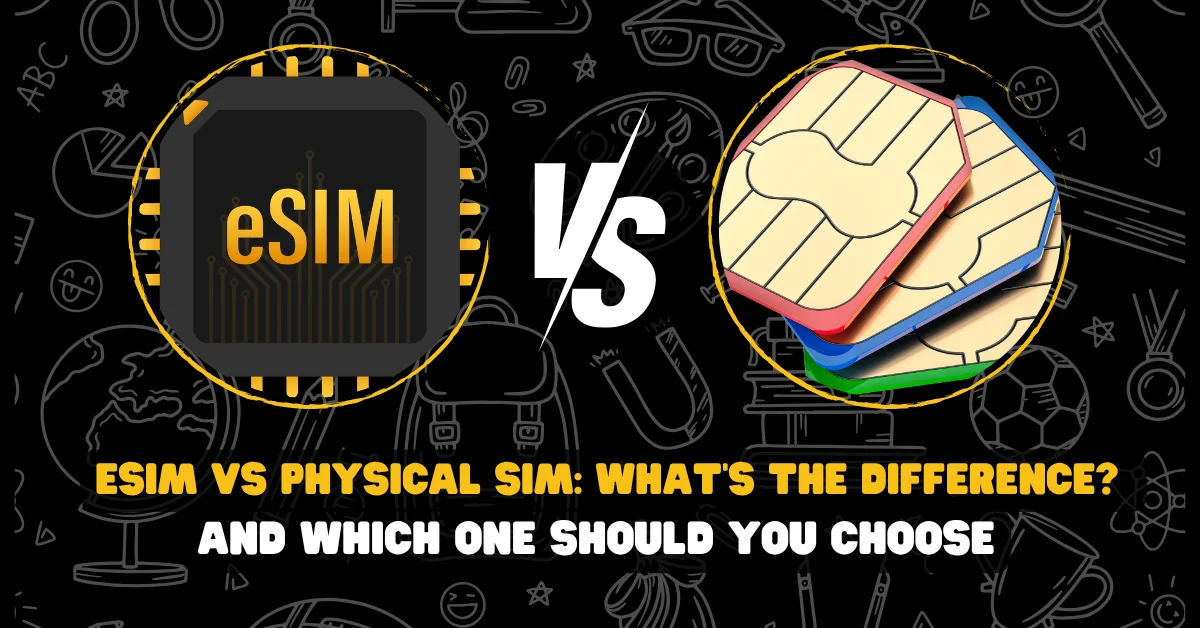
Key Differences Between eSIM and Physical SIM
| Feature | Physical SIM | eSIM |
|---|---|---|
| Setup | Insert card manually | Activate digitally |
| Switching carriers | Requires swapping cards | Can switch in settings |
| Device compatibility | Works on almost all phones | Limited to newer devices |
| Multi number support | Usually one per slot | Multiple profiles possible |
| Durability | Can be lost or damaged | Built into device |
What are the Advantages and Disadvantages of eSIM
Mobile connectivity has come a long way from the days of large plastic SIM cards. Today, many smartphones and business devices are moving toward eSIM technology, raising an important question: should you stick with a physical SIM or switch to eSIM?
If you are new to the topic or deciding what works best for your work and daily life, this guide explains everything in simple terms. By the end, you will understand how each option works and which one fits your needs.
Advantages of eSIM
Easier to manage
You can switch carriers or plans without visiting a store or handling a card.
Supports multiple profiles
This is especially useful for business users who need separate work and personal numbers on one device.
Ideal for travel
You can download a local data plan before arriving in another country, avoiding expensive roaming charges.
More secure
Since there is no physical card, it is harder for someone to remove your SIM if your phone is stolen.
Disadvantages of eSIM
Not available on all devices
Older phones and some budget models do not support eSIM.
Setup can feel unfamiliar
Beginners may find the activation process confusing at first, especially if it involves QR codes or carrier apps.
Switching devices can take longer
Transferring an eSIM profile between phones is not always as simple as moving a physical card.
What are the Advantages and Disadvantages of Physical SIM
Physical SIM cards remain the most common way to connect to mobile networks, especially for users who prefer a simple and familiar setup. You just insert the card into your device and start using your phone without needing any digital activation steps.
For businesses, they are easy to distribute and manage across multiple devices. However, they also come with limitations. Physical SIM cards can be lost or damaged, and switching carriers usually requires replacing the card.
The following sections highlight the main advantages and disadvantages to help you decide if this traditional option is right for you.
Advantages of Physical SIM
Universal compatibility
Almost every phone supports a physical SIM, making it a reliable choice.
Easy to swap
You can quickly move your number to another phone by inserting the card.
No learning curve
It is straightforward and familiar, especially for users who prefer simple solutions.
Disadvantages of Physical SIM
Easy to lose or damage
Because it is small, it can be misplaced or broken.
Less flexible
Switching carriers requires getting a new SIM card.
Takes up space
Phones with SIM trays have slightly less room for other components like larger batteries.
eSIM vs Physical SIM for Business Users
For business users, the choice often depends on flexibility and efficiency.
Why eSIM works well for business
eSIM allows professionals to manage multiple numbers on one device. This is useful for separating work and personal communication. It also simplifies international travel since employees can activate local plans instantly.
When physical SIM is better
If your company uses older devices or operates in regions where eSIM support is limited, physical SIM cards remain the safer option.
eSIM vs Physical SIM for Beginners
If you are new to mobile technology, both options can work well depending on your comfort level.
Choose eSIM if
You want convenience and do not mind learning a slightly new setup process.
Choose physical SIM if
You prefer a simple and familiar method that works everywhere without extra steps.
Security Comparison
When it comes to security, both eSIM and physical SIM options are generally safe, but they differ in how they handle risks.
eSIM technology offers a slight advantage because it is built directly into the device and cannot be physically removed. This makes it harder for someone to take your SIM card and use it in another phone if your device is lost or stolen. It also adds an extra layer of protection against SIM swap fraud, since attackers cannot simply remove the card. In many cases, transferring an eSIM requires identity verification through your carrier, which increases security.
Physical SIM cards are still secure when used properly, but they rely more on physical control. If someone gains access to your phone, they can remove the SIM card and insert it into another device. This could allow them to receive calls or messages, including verification codes.
For both options, the biggest risks often come from social engineering attacks, where someone tricks a carrier into transferring your number. To stay protected, it is important to use strong account security measures such as PIN codes, two factor authentication, and carrier level protections.
Which One Should You Choose
The right choice depends on how you use your phone and what matters most to you, whether that is convenience, flexibility, or simplicity.
eSIM is usually the better option if you travel frequently, switch carriers often, or need to manage multiple numbers on one device. It allows you to activate plans quickly, avoid carrying extra SIM cards, and keep both personal and work lines in one place. For business users, this can mean less downtime and easier device management.
On the other hand, a physical SIM is a strong choice if you prefer a straightforward and familiar setup. It works with almost every phone, does not require digital activation, and can be easily moved between devices. This makes it especially useful for users who want a reliable solution without extra steps.
In many cases, modern smartphones support both options, giving you the flexibility to use a combination of eSIM and physical SIM depending on your needs.
The Future of SIM Technology
The mobile industry is steadily moving toward eSIM as the next standard for connectivity. Many newer smartphones and connected devices are already designed with eSIM in mind, and some models no longer include a SIM tray at all. This shift allows manufacturers to save space, improve device design, and introduce new features that rely on more flexible connectivity.
At the same time, mobile carriers around the world are expanding their support for eSIM, making it easier for users to activate plans digitally and switch networks without needing a physical card. This is especially important for businesses and frequent travelers who benefit from faster setup and greater control over their connectivity.
Despite this progress, physical SIM cards are not disappearing overnight. They remain widely supported and continue to be the more accessible option in many regions and for older devices. For now, both technologies coexist, giving users the freedom to choose the option that best fits their needs while the transition to eSIM continues.
Frequently Asked Questions
Can I use both eSIM and physical SIM at the same time?
Yes, many modern phones support dual SIM functionality using one eSIM and one physical SIM.
Is eSIM available everywhere?
eSIM is available in over 95% of countries but not yet available everywhere. Support is growing quickly across many countries and carriers.
Can I switch from physical SIM to eSIM?
In most cases, yes. Many carriers allow you to convert your existing number to an eSIM.
Does eSIM affect performance?
No, it does not impact speed, battery life, or signal quality.
Conclusion
Both eSIM and physical SIM have their strengths. eSIM offers flexibility, convenience, and a glimpse into the future of mobile connectivity. Physical SIM remains reliable, simple, and widely supported.
For beginners, the choice comes down to comfort with technology. For business users, it is often about efficiency and scalability. Either way, understanding the difference helps you make a smarter decision for your needs.