Brazil is one of the easiest countries in the world to visit.
It is not one of the easiest places to stay private online.
Local SIM cards in Brazil require identity verification. Phone numbers are linked to national databases. Mobile carriers retain subscriber records. Over time, those records quietly connect movement, communication, and identity into a durable profile.
For most travelers, this is invisible.
For journalists, digital nomads, crypto users, executives, and anyone who cares about privacy, connectivity becomes a strategic decision.
An anonymous eSIM offers a different approach. No local registration. No passport handed across a counter. No permanent telecom profile in Brazil. Just secure mobile data that works immediately and disappears when the trip ends.
This guide explains how anonymous eSIM works in Brazil, what the law requires, and how to choose secure connectivity without unnecessary exposure.
How Mobile Networks Work in Brazil
Brazil has a modern telecom network with strong coverage in cities and tourist regions.
Major carriers include:
- Vivo
- Claro
- TIM
4G coverage is widespread in urban areas like São Paulo, Rio de Janeiro, Brasília, and Salvador. 5G is expanding in large cities, airports, and business districts.
Rural areas — especially in the Amazon region — still have limited coverage. Even locals joke that the jungle sometimes has better parrots than signal bars.
For travelers using roaming or eSIM, connectivity quality is usually comparable to local SIM service because both rely on the same physical networks.
Infrastructure is modern. Registration rules are strict.
SIM Registration Laws & Mobile Privacy in Brazil
Brazil requires identity verification for local SIM activation.
To buy a prepaid SIM, you must provide:
- CPF number (Brazilian tax ID) or passport
- Personal details
- Carrier registration
Your phone number becomes part of a subscriber database that includes identity information and metadata.
These rules were introduced to fight fraud and organized crime. They also create permanent telecom records linked to individuals.
There is no such thing as an anonymous local SIM in Brazil. Once registered, your number can be connected to location data, account recovery flows, banking verification, and communication patterns. This is normal telecom practice worldwide, but Brazil's system is tightly identity-linked.
For travelers who value privacy, the issue is not legality. It is permanence.
What Is an Anonymous eSIM?
An anonymous eSIM is a data-only mobile plan designed to minimize identity collection.
It typically includes:
- No voice or SMS service
- No passport or CPF requirement
- No local contract
- Remote activation via QR code
- Foreign-issued subscriber profile
Instead of registering with a Brazilian carrier, the eSIM connects through roaming agreements. From Brazil's telecom perspective, you are a roaming data session, not a domestic subscriber.
This difference matters because it avoids creating a permanent telecom identity inside Brazilian systems. It does not make activity invisible — it reduces long-term linkage.
How Anonymous eSIM Works in Brazil
The process is simple.
- Choose a Brazil-only or global plan
- Receive a QR code
- Install the eSIM
- Activate mobile data
- Use instantly
When the trip ends, the eSIM can be deleted. No store visits. No contracts. No paperwork.
Typical packages include:
Regional or global plans also work across multiple countries, which is useful if Brazil is part of a longer trip.
For example you can get a Global Anonymous eSIM with 20 GB that includes Brazil and 118 other countries.
Connectivity becomes portable. Your identity does not need to be.
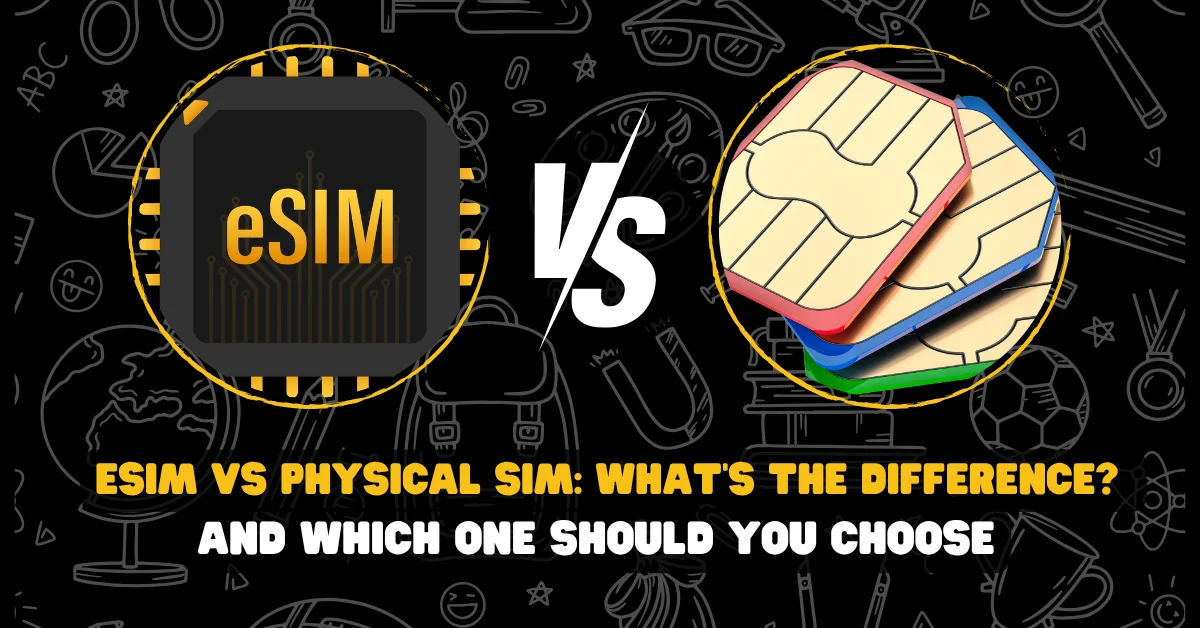
Anonymous eSIM vs Local SIM in Brazil
| Feature | Anonymous eSIM | Local SIM |
|---|---|---|
| ID required | No | Yes |
| Contract | None | Often |
| Subscriber record | No Brazilian record | Permanent |
| SIM swap risk | Lower | Higher |
| Cross-border use | Easy | Limited |
| Voice / SMS | No | Yes |
Local SIMs are built for residents. Anonymous eSIMs are built for travelers. The difference is structural.
Is Mobile Data Anonymous in Brazil?
No mobile data is fully anonymous — every connection produces metadata.
Networks log:
- Time
- Location
- IP addresses
- Usage volume
With a local SIM, metadata is tied to a verified identity. With an anonymous eSIM, metadata exists but identity linkage is weaker because there is no domestic subscriber profile.
Privacy is not about eliminating logs. It is about reducing how easily those logs can be tied to a named person.
SIM Swap Risks in Brazil
SIM swap fraud is common in Brazil. Attackers convince carriers to transfer a victim's phone number to a new SIM. Once successful, they receive banking codes, reset passwords, and take over accounts. Brazil's banking system relies heavily on SMS verification, making these attacks particularly damaging.
Anonymous eSIM reduces this risk because:
- There is no physical SIM to steal
- No local carrier account to manipulate
- No predictable subscriber profile
It is not perfect security. It removes the easiest attack path.
Crypto eSIM for Brazil
Some privacy-focused users prefer buying eSIM plans with cryptocurrency.
Benefits include:
- No credit-card billing profile
- No bank linkage
- No transaction metadata tied to a personal identity
Crypto payment does not make connectivity anonymous, but it reduces financial traces connected to telecom use. For travelers already using Bitcoin or stablecoins, it is a natural option.
Who Uses Privacy-First Connectivity in Brazil?
Anonymous connectivity is not a niche use case. It is a practical tool for many professions.
Common users include:
- Digital nomads working remotely
- Journalists covering politics or crime
- Crypto traders managing wallets
- Executives traveling frequently
- Activists and researchers
- Travelers avoiding SIM registration
Most are not hiding anything dramatic. They simply prefer not to build permanent telecom profiles in every country they visit — a reasonable preference in a world where data never forgets.
Legal Considerations for Anonymous eSIM in Brazil
Anonymous eSIMs are legal in Brazil.
Key points:
- Foreign-issued eSIMs are allowed
- Data-only plans do not require CPF registration
- Roaming services are legal
- Lawful interception still applies
Brazil regulates domestic SIM registration. It does not require travelers to register foreign mobile data services.
As always, users should follow local laws and avoid illegal activity. Privacy tools are not shields against criminal conduct. They are safeguards against unnecessary exposure.
Performance & Coverage in Brazil
Anonymous eSIM uses the same underlying networks as local SIMs.
Expect:
- Strong speeds in major cities
- Stable service in tourist areas
- Variable coverage in rural regions
Performance differences are usually minor. Roaming latency may be slightly higher, but for messaging, maps, calls, and browsing, the difference is rarely noticeable.
In the Amazon, signal quality depends more on geography than on SIM type. Trees are beautiful. They are also excellent radio blockers.
How to Set Up Anonymous eSIM in Brazil
Setup takes minutes.
- Confirm phone compatibility
- Connect to Wi-Fi
- Scan QR code
- Install eSIM profile
- Enable roaming
- Set as primary data line
Before travel, test connectivity. Nothing ruins a sunset photo in Rio faster than discovering you forgot to enable data roaming.
FAQs
Is anonymous eSIM legal in Brazil?
Yes, foreign-issued data-only eSIMs are legal.
Do I need CPF to use eSIM?
No. CPF is required only for local SIM registration.
Can I hotspot with an eSIM?
Yes, most plans support tethering.
Is speed the same as local SIM?
Usually yes, since networks are the same.
Can police trace anonymous eSIM?
They can trace network activity, but without a local subscriber identity.
Can I use WhatsApp?
Yes. WhatsApp works over data.
Final Thoughts
Brazil offers vibrant cities, extraordinary landscapes, and strong mobile networks. It also operates an identity-linked telecom system designed for residents, not travelers.
Anonymous eSIM does not make anyone invisible. It makes connectivity portable, disposable, and less permanently tied to identity. For travelers who value privacy, security, and flexibility, that difference matters.
Not because they have something to hide. Because they prefer not to leave a permanent digital footprint everywhere they go.